Featured
Table of Contents
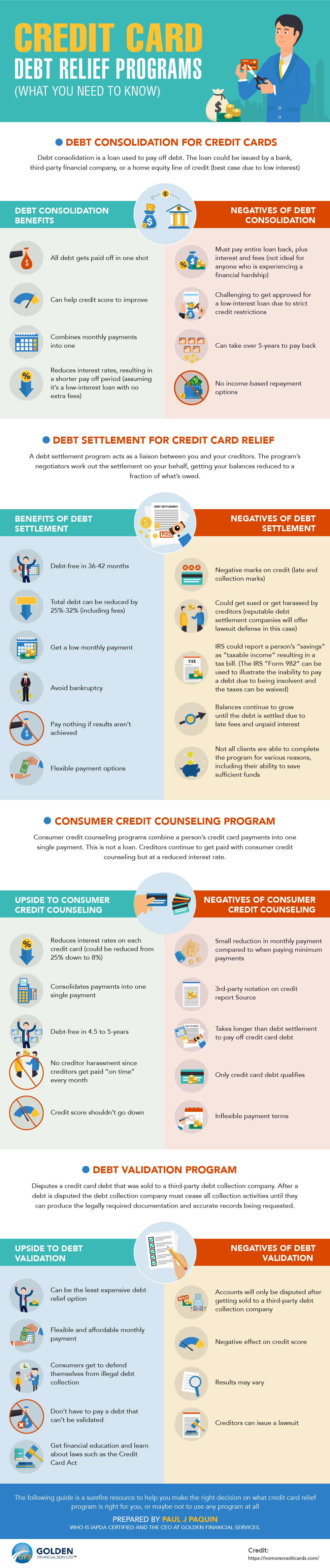
That liberates cash in the short-term, and you might have 3 to four years to save toward the settlement quantity. Extremely harmful to credit rating, mainly as a result of missed payments and an unfavorable "cleared up" mark that could stay on your credit history record for approximately 7 yearsMay be only alternative if various other options (financial debt consolidation, equilibrium transfer bank card, financial debt mercy) aren't possibleTypically needs a fee to the 3rd party, which might balance out some or every one of the cost savings from financial debt settlementMay assist you prevent insolvency if you have actually missed numerous paymentsNot all lenders work with financial debt negotiation firms Financial obligation mercy may be appropriate for you if you are experiencing a monetary challenge that makes it virtually impossible to pay for your debt equilibriums.
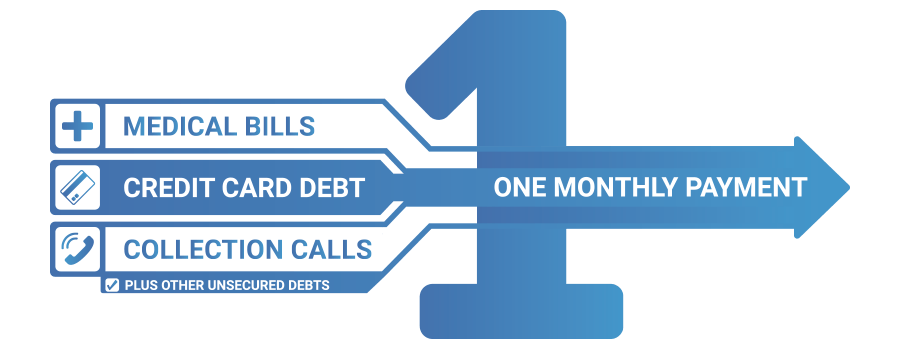
With a DMP, you make one monthly payment to the credit history counseling firm. Those funds are after that distributed to creditors of your unprotected debts, such as charge card and installment financings. The agency functions with your lenders to minimize passion prices or waive fees, yet some creditors may refuse such giving ins.
A financial debt combination financing combines your eligible debts into one new car loan. It can aid you pay for financial obligation if you have the ability to safeguard a lending price that's less than the average price of the accounts you're consolidating. You must abstain from racking up debt on those recently gotten rid of accounts or your financial obligation might grow even greater.
That offers you lots of time to get rid of or dramatically lower your equilibrium while making interest-free settlements.
How Value to Invest in Professional Bankruptcy Guidance can Save You Time, Stress, and Money.
You may require it if your lender or a debt collector ever before attempts to accumulate on the financial obligation in the future. The letter might show you do not owe what the debt collector's documents reveal. Yes, in many cases, the IRS takes into consideration forgiven financial debt as taxed income. When a loan provider forgives $600 or more, they are called for to send you Form 1099-C.
Debt mercy or negotiation often harms your debt. Anytime you work out a financial debt for much less than you owe, it might look like "worked out" on your credit score report and influence your credit rating for seven years from the date of settlement. Your credit can also drop significantly in the months causing the mercy if you fall back on repayments.
Get This Report about Is How Debt Impacts Mental and Emotional Well-Being Work for Everyone
Tax financial debt concession programs Tax debt occurs when the amount of taxes you owe exceeds what you have paid. This scenario typically results from underreporting income, not submitting returns on time, or inconsistencies discovered throughout an internal revenue service audit. The consequences of gathering tax obligation financial debt are major and can include tax obligation liens, which provide the internal revenue service a lawful case to your residential or commercial property as protection for the debt.
Higher rates of interest on readily available credit rating. Earnings and Bank Accounts IRS can impose (confiscate) salaries and checking account to please the debt. Minimized earnings and disturbance of essential monetary processes. Residential property Seizure In severe instances, the internal revenue service can take and market residential property to cover the financial debt. Loss of beneficial assets and potential variation.
Anxiety, anxiety, and other mental health and wellness issues. Social Stigma Dealing with lawsuit from the internal revenue service can carry social preconception. Damage to reputation and partnerships. Work Opportunities A bad credit rating as a result of tire financial debt can restrict employment possibility. Trouble finding or maintaining a task. Government Advantages Tax obligation financial debt may affect qualification for government benefits, such as Social Protection and Medicaid.
The Best Strategy To Use For Methods Reputable Providers Adhere to Ethical Compliance
The OIC takes into consideration several variables, including the taxpayer's earnings, expenditures, possession equity, and capability to pay. Successfully discussing an OIC can be complicated, needing a detailed understanding of the IRS's standards and a solid argument for why your offer lines up with your ability to pay. It is essential to note that not all applications are approved, and the procedure needs detailed financial disclosure.
The internal revenue service evaluates your total monetary circumstance, including your income, expenditures, property equity, and capacity to pay. You need to additionally be current with all filing and settlement needs and not remain in an open bankruptcy case. The IRS additionally considers your compliance background, reviewing whether you have a document of timely filing and paying tax obligations in previous years.
What to Understand In the How Debt Impacts Mental and Emotional Well-Being Journey Fundamentals Explained
The application procedure for a Deal in Concession includes several detailed steps. First, you have to finish and submit internal revenue service Type 656, the Offer in Concession application, and Form 433-A (OIC), a collection information statement for people. These kinds need detailed economic details, consisting of information about your income, debts, expenditures, and assets.
Back tax obligations, which are unpaid taxes from previous years, can considerably enhance your overall IRS financial obligation otherwise addressed promptly. This debt can accumulate rate of interest and late settlement penalties, making the original quantity owed a lot bigger over time. Failing to pay back taxes can result in the internal revenue service taking enforcement actions, such as providing a tax lien or levy versus your property.
It is essential to resolve back taxes as soon as possible, either by paying the sum total owed or by organizing a layaway plan with the internal revenue service. By taking aggressive steps, you can avoid the build-up of additional interest and charges, and prevent more aggressive collection actions by the internal revenue service.
One common factor is the belief that the taxpayer can pay the total either as a lump sum or through a settlement strategy. The IRS likewise takes into consideration the taxpayer's earnings, costs, possession equity, and future earning potential. If these elements indicate that the taxpayer can afford to pay more than the used amount, the internal revenue service is most likely to turn down the deal.
Little Known Questions About How to Get Started Today.
It is important to offer precise and full information in your application and to seek advice from with a tax obligation specialist to improve the opportunities of acceptance. Taking care of internal revenue service financial obligation can be intricate and complicated. Tax professionals, such as CPAs, tax obligation attorneys, or registered representatives, can supply important assistance. They have the knowledge to navigate the intricacies of tax regulation and internal revenue service procedures.

Table of Contents
Latest Posts
Not known Facts About Avoiding the Old Patterns After Debt Relief

All About Actionable Guidance to Rebuild Your Credit
Unknown Facts About Ongoing Assistance Including Peer Resources
More
Latest Posts
Not known Facts About Avoiding the Old Patterns After Debt Relief
All About Actionable Guidance to Rebuild Your Credit
Unknown Facts About Ongoing Assistance Including Peer Resources